𝐇𝐚𝐫𝐦𝐨𝐧𝐲 𝐓𝐡𝐫𝐨𝐮𝐠𝐡 𝐌𝐞𝐥𝐨𝐝𝐢𝐞𝐬: 𝐓𝐡𝐞 𝐍𝐚𝐭𝐢𝐨𝐧𝐚𝐥 𝐈𝐧𝐭𝐞𝐠𝐫𝐚𝐭𝐢𝐨𝐧 𝐢𝐧 𝐃𝐫. 𝐁𝐡𝐮𝐩𝐞𝐧 𝐇𝐚𝐳𝐚𝐫𝐢𝐤𝐚’𝐬 𝐖𝐨𝐫𝐤𝐬
…𝑯𝒆 𝒆𝒎𝒃𝒓𝒂𝒄𝒆𝒅 𝒕𝒉𝒆𝒔𝒆 𝒏𝒂𝒓𝒓𝒂𝒕𝒊𝒗𝒆𝒔 𝒂𝒔 𝒕𝒉𝒆 𝒄𝒐𝒍𝒍𝒆𝒄𝒕𝒊𝒗𝒆 𝒉𝒆𝒓𝒊𝒕𝒂𝒈𝒆 𝒐𝒇 𝒕𝒉𝒆 𝑰𝒏𝒅𝒊𝒂𝒏 𝒑𝒆𝒐𝒑𝒍𝒆, 𝒕𝒉𝒖𝒔 𝒓𝒆𝒊𝒏𝒇𝒐𝒓𝒄𝒊𝒏𝒈 𝒕𝒉𝒆 𝒊𝒅𝒆𝒂 𝒕𝒉𝒂𝒕 𝒅𝒆𝒔𝒑𝒊𝒕𝒆 𝒓𝒆𝒈𝒊𝒐𝒏𝒂𝒍 𝒅𝒊𝒗𝒆𝒓𝒔𝒊𝒕𝒚, 𝑰𝒏𝒅𝒊𝒂 𝒉𝒂𝒔 𝒂 𝒔𝒉𝒂𝒓𝒆𝒅 𝒄𝒖𝒍𝒕𝒖𝒓𝒂𝒍 𝒇𝒐𝒖𝒏𝒅𝒂𝒕𝒊𝒐𝒏…
𝗚𝘂𝘄𝗮𝗵𝗮𝘁𝗶, 𝗡𝗼𝘃𝗲𝗺𝗯𝗲𝗿 𝟱:
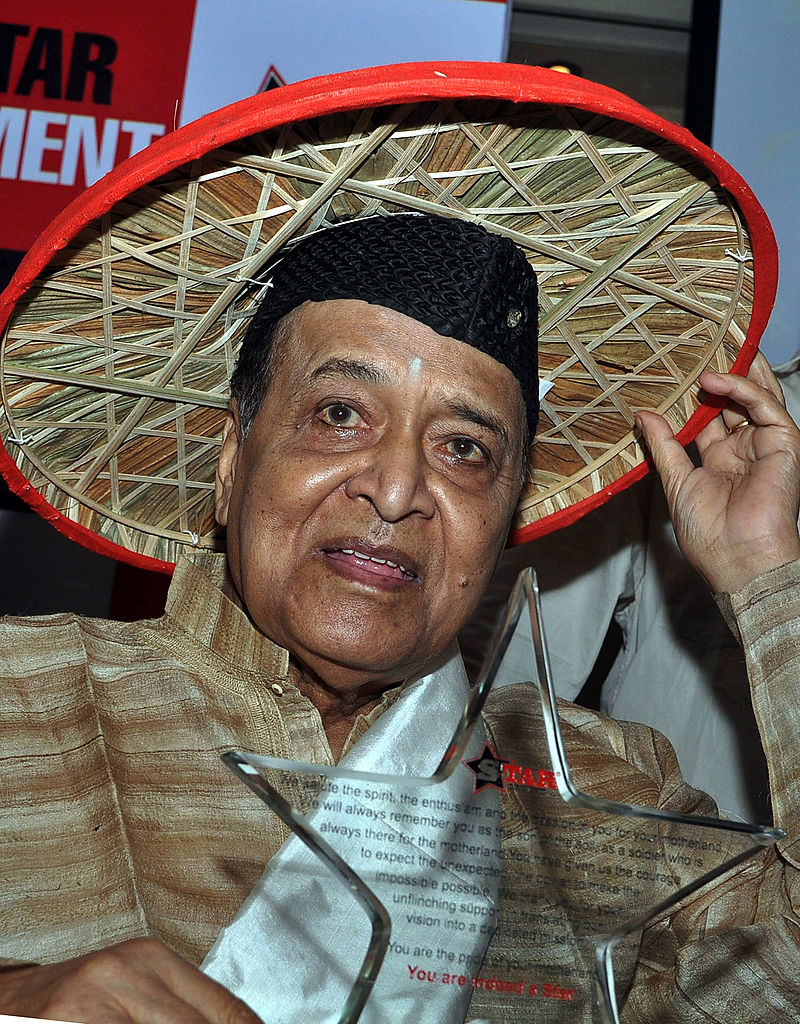
Dr. Bhupen Hazarika, known as the “Bard of Brahmaputra,” was more than just a musician or poet—he was a visionary artist and cultural icon who tirelessly advocated for unity and understanding across India. Through his songs, he invoked the ideals of national integration, creating a sense of belonging, empathy, and unity among people from diverse backgrounds. His powerful lyrics and soulful compositions often tackled themes of social justice, human rights, and communal harmony, resonating deeply with audiences across the nation.
𝟭. 𝗨𝗻𝗶𝘁𝘆 𝗶𝗻 𝗗𝗶𝘃𝗲𝗿𝘀𝗶𝘁𝘆
One of the most striking aspects of Dr. Hazarika’s works is his ability to weave the essence of India’s pluralistic society into his songs. He brought together the regional flavors, dialects, and nuances of Assamese culture with a larger national identity. His lyrics, often written in Assamese, Bangla and Hindi, explored common themes that transcended regionalism, making his works relatable to people from all walks of life.
In his iconic song, “Ganga Mor Ma” (Ganga is My Mother), Dr. Hazarika brings together the Ganges and the Brahmaputra, symbolizing the unity of North and Northeast India. This song expresses the notion that rivers, much like people, have no boundaries and flow freely, sharing their resources and beauty with everyone. His lyrics—“Ganga Mor Ma, Padma Mor Ma —declare how rivers unite cultures, underscoring a deep-seated desire for harmony among India’s diverse states.
𝟮. 𝗘𝗺𝗽𝗮𝘁𝗵𝘆 𝗳𝗼𝗿 𝘁𝗵𝗲 𝗠𝗮𝗿𝗴𝗶𝗻𝗮𝗹𝗶𝘇𝗲𝗱 𝗮𝗻𝗱 𝗩𝗼𝗶𝗰𝗲𝗹𝗲𝘀𝘀
Dr. Hazarika often spoke for the marginalized and underrepresented. He used his art to shed light on the hardships faced by rural workers, indigenous people, and oppressed communities across India. Songs like “Manuhe Manuhor Babe” (Humans Are for Humanity) convey a profound message of empathy and solidarity among human beings, encouraging audiences to transcend societal divisions and work toward an equitable society. In this song, Dr. Hazarika asks, “Manuhe manuhor Babe, Jodihe Okonu Nabhabe”, calling for human beings to stand up for one another. This became a rallying cry for social cohesion, reflecting a vision of India where people support each other despite cultural, linguistic, or religious differences.
𝟯. 𝗜𝗻𝘀𝗽𝗶𝗿𝗮𝘁𝗶𝗼𝗻 𝗳𝗿𝗼𝗺 𝗣𝗮𝗻-𝗜𝗻𝗱𝗶𝗮𝗻 𝗙𝗼𝗹𝗸𝗹𝗼𝗿𝗲 𝗮𝗻𝗱 𝗠𝘆𝘁𝗵𝗼𝗹𝗼𝗴𝘆
Dr. Hazarika often drew inspiration from Indian folklore, mythology, and oral traditions, using them as powerful symbols for national unity. He embraced these narratives as the collective heritage of the Indian people, thus reinforcing the idea that despite regional diversity, India has a shared cultural foundation.
His another iconic song “Mahabahu Brahmaputra” exemplifies this well. By personifying the Brahmaputra as a mighty figure connecting Assam with the rest of India, Dr. Hazarika celebrates the river as a symbol of Indian civilization. He further explores the themes of brotherhood and interconnectivity through the lyrics, emphasizing that the river Brahmaputra is a lifeline not just for Assam but for the whole nation. This song invokes the beauty of India’s natural landscapes while reminding people of the essential, life-giving relationships they share.
𝟰. 𝗖𝗵𝗮𝗺𝗽𝗶𝗼𝗻𝗶𝗻𝗴 𝗖𝗼𝗺𝗺𝘂𝗻𝗮𝗹 𝗛𝗮𝗿𝗺𝗼𝗻𝘆 𝗮𝗻𝗱 𝗣𝗲𝗮𝗰𝗲
Dr. Hazarika frequently highlighted the importance of peace and mutual respect among different religious and ethnic groups. His works often condemned violence and sought to inspire people to foster bonds of love and mutual respect. Through his lyrics, he was able to bridge cultural gaps, bringing the Assamese community closer to the rest of India and building understanding across diverse groups.
In “Dil Hoom Hoom Kare”, originally a soulful Assamese song, he expresses a universal longing that resonates with listeners regardless of language or background. This piece became immensely popular across India, symbolizing how music can transcend linguistic and cultural barriers to touch hearts universally. This song served as a bridge, inviting others into Assamese culture while connecting it to broader Indian sensibilities.
𝟱. 𝗦𝗼𝗹𝗶𝗱𝗮𝗿𝗶𝘁𝘆 𝗧𝗵𝗿𝗼𝘂𝗴𝗵 𝗦𝗵𝗮𝗿𝗲𝗱 𝗦𝘁𝗿𝘂𝗴𝗴𝗹𝗲𝘀 𝗮𝗻𝗱 𝗗𝗿𝗲𝗮𝗺𝘀
Another aspect of Dr. Hazarika’s music is his emphasis on shared struggles, often articulating the dreams and aspirations of a pan-Indian identity. His songs not only highlight local issues but also show how these issues resonate on a national level. By presenting local struggles within a broader national framework, he fosters a sense of shared destiny and purpose among Indians.
His classic, “Bistirno Parore”, is a powerful commentary on social and political issues that captures a yearning for peace and change. Based on Paul Robeson’s “Ol’ Man River,” this song speaks to the persistence of the human spirit and the struggles faced by people everywhere. The lyrics, *”Bistirno parore, Asongkhyo janare, Hahakar shuniu”, portray the river as a witness to the hardships of countless people, evoking empathy across cultural lines and inspiring collective action for justice.
𝟲. 𝗗𝗿𝗲𝗮𝗺 𝗼𝗳 𝗮𝗻 𝗜𝗻𝗰𝗹𝘂𝘀𝗶𝘃𝗲 𝗜𝗻𝗱𝗶𝗮
At the core of Dr. Hazarika’s work was a dream of an inclusive India—one where everyone, irrespective of caste, creed, or region, lives with dignity and equality. His songs, both in regional and national languages, communicate messages of brotherhood and tolerance, encouraging listeners to embrace India’s diversity.
His song “Moi Eti Jajabor” (I am a Nomad) captures this sentiment perfectly. Through this anthem of wanderers, Dr. Hazarika identifies with every Indian, regardless of where they come from, and reminds listeners of their shared journey. The lyrics reflect an acceptance of India’s multifaceted identity, encouraging people to find commonality in their diversity.
𝗖𝗼𝗻𝗰𝗹𝘂𝘀𝗶𝗼𝗻
On this 13th death anniversary we fondly remember Dr. Bhupen Hazarika as his works serve as a cultural bridge, connecting India’s various regions and communities. Through his lyrics and melodies, he fostered a sense of national unity, respect, and inclusivity that continues to inspire generations. His songs are not just artistic expressions but reminders of the India he envisioned—an India where diversity is cherished and unity celebrated.